Would you like to explore the historic wonderland that is Kilmartin Glen? These are my top tips for visiting the renowned Kilmartin Museum and the prehistoric monuments scattered through the glen, plus where to eat, stay and walk. All without a car.
Spoiler alert: it’s super easy to get there by bus.
Written as part of a paid campaign with Wild About Argyll
This post contains affiliate links which I might make a small commission from at no extra cost to you.

After the scenic bus journey south, daydreaming through rain-dropped windows, we arrived at our destination.
Quaint, and rather unassuming if you didn’t know any better, the wee village of Kilmartin is a gateway to one of the most mysterious and historically significant areas in Scotland, Kilmartin Glen.
KILMARTIN GLEN: Q&A
WHY IS KILMARTIN GLEN SO SPECIAL?
Kilmartin Glen is not only one of the most historically significant locations in Scotland, it is an area of international interest and importance, thanks to the high concentration of Neolithic and Bronze Age monuments.
Within a 6 mile radius of Kilmartin village there are no less than 350 ancient monuments, around 150 of which are prehistoric: chambered cairns, standing stones, rock art and stone circles.
The archeological discoveries made here are nothing short of mind-blowing!
To top it off, the world class Kilmartin Museum tells the story of it all, displaying incredible artefacts which were unearthed in the landscape right outside.


WHERE IS KILMARTIN GLEN?
Kilmartin is a small village is in the Argyll region, 30 miles south of Oban and 8 miles north of Lochgilphead.
Kilmartin Glen is the valley which sweeps downwards from the village; a landscape of archeological wonders, like hidden treasure in plain sight.
KILMARTIN GLEN BY PUBLIC TRANSPORT
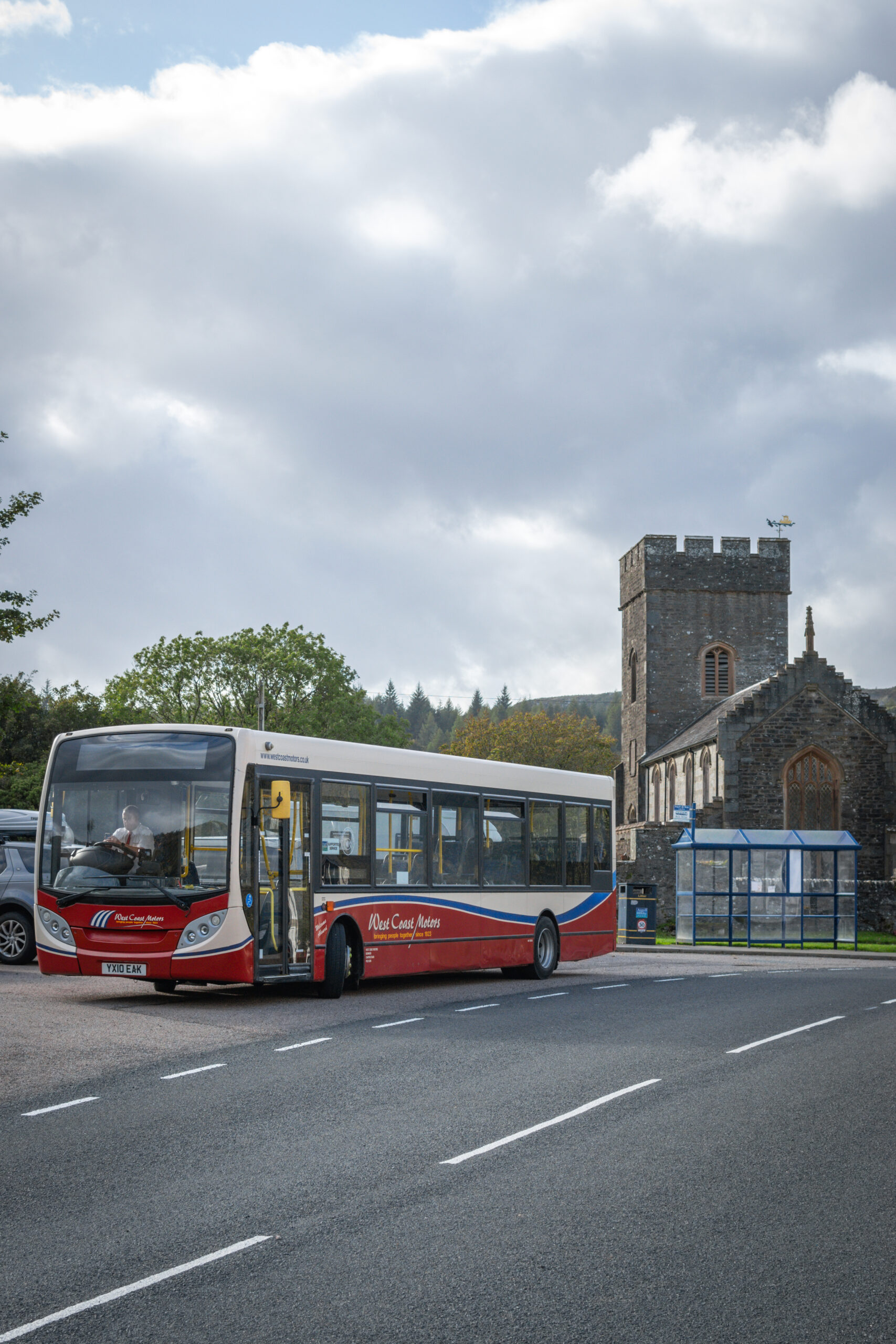
The village of Kilmartin sits on the West Coast Motors bus service 423 or 23 between Oban and Lochgilphead.
Oban Station Square to Kilmartin takes around 1 hour and 10 minutes.
Lochgilphead to Kilmartin takes between 20 and 30 minutes.
While it is possible to visit Kilmartin as a day trip from Oban, you would need to plan your time very wisely and not venture too far from the village and museum; the bus timetable usually allows for a visit of just under 3 hours.
I recommend downloading the West Coast Motors app. to view timetables, route maps, and buy your tickets online. You can also purchase your tickets on-board using cash or contactless payment.

WHERE TO STAY IN KILMARTIN
If you’d prefer to take your time and stay overnight in the village, the historic Kilmartin Hotel is an obvious choice; friendly, right in the village, and with a bar/restaurant on-site. The rooms are comfortable, though quite dated, but we didn’t mind.
There are some Airbnbs in the village, like this apartment. If you’re travelling as a group and would like an extra special experience, Kilmartin Castle is available for exclusive use.
Kilmartin Castle is a beautifully and thoughtfully restored five-centuries-old castle turned guesthouse which sleeps up to 10; there is a kitchen for self-catering or the option to hire a private chef.
WHERE TO EAT IN KILMARTIN
Kilmartin Museum has recently found someone to operate the cafe at the new museum, but that’s all the details I have for now.
The only other option for food in the village is Kilmartin Hotel for both lunch and dinner.
Expect good, honest, hearty home-cooked meals. We were really impressed with the quality of food & portion sizes for dinner.
As always, I recommend phoning ahead to check opening times and book a table to avoid disappointment, particularly during peak season.


KILMARTIN GLEN: THINGS TO SEE & DO
If you are visiting as a day trip by bus from Oban, I recommend prioritising Kilmartin Museum & some of the monuments in the glen. If you have time to stay overnight, and fancy an extra stretch of the legs, why not throw a medieval castle ruin into the mix?
KILMARTIN MUSEUM
To set the scene for your visit, and truly appreciate the importance and abundance of the sites in this area, head straight for Kilmartin Museum. The museum reopened in September 2023 after a £7 million refurbishment and it is without doubt one of the very best museums I’ve visited anywhere; Scotland and beyond.
Spanning thousands of years, the history of Kilmartin Glen can be difficult to comprehend, but the museum brings it to life so vividly and accessibly with timelines, artists’ impressions, immersive film, easy-to-interpret text, beautifully displayed Neolithic artefacts and even a reconstructed face from 4000 years ago and a human skeleton.
There is a guided walk from the museum into the glen every Wednesday (April – October) at 1.20pm for approx. 2.5 – 3 hours. The walk is free but donations are appreciated. Spaces are limited, so book a space here.
Opening: Kilmartin Museum will reopen in spring 2024.
Entry fee: £9.50 per adult, £8.50 concessions, £5 for children.
More info: Check the website, Facebook and Instagram for updates & info.

THE MONUMENT TRAIL
Imagination and curiosity activated by the museum displays, it’s now time to grab a paper map from Reception and set off on the walking trail which begins directly behind the museum.
The trail links many of the key monuments in the glen; sites which range in age from around 3500 – 5000 years old.
You are literally walking through thousands of years of human history!
Distance: approx. 4 miles (total, there and back)
Time: Allow 1.5 – 2 hours
Discover all of the sites listed below (or as many as you can in the time that you have), then return to the village on the same route.
As you wander, I urge you to pause and try to imagine the activity that these sites have witnessed: gatherings, celestial events, celebrations, burials and rituals – multiple millennia ago.
Important reminder: aside from the reconstructed Nether Largie North Cairn, which you are invited to step inside, the monuments are all precious remnants of the past; they are for looking at and photographing, not climbing on.


Glebe Cairn
Directly behind the museum, Glebe Cairn is the first of five in the ‘linear cemetery’ of burial cairns in the glen.
Nether Largie North Cairn
This circular cairn has been reconstructed and includes an internal chamber which you can climb inside to see the original cist (prehistoric coffin) and carvings. Read more here.
Nether Largie Mid Cairn
This burial cairn is thought to be the resting place of a high-status individual, due to the axe-head carvings found inside the cist. Find out more here.
Nether Largie South Cairn
The oldest in the linear cemetery, Nether Largie South Cairn is a chambered Neolithic cairn and the site of multiple burials.
Nether Largie Standing Stones
A group of five standing stones, one that towers at 2.85 metres tall. Look out for the mysterious cup and ring marks on the stones; their exact purpose is unknown.
Temple Wood Stone Circle
Two stone circles, including a ring of 13 small stones. The presence of a spiral carving, usually found on Irish passage graves, suggests a link between Ireland and Kilmartin. Temple Wood is my favourite spot in the glen; it feels particularly peaceful and mystical.
Ri Cruin Cairn
The last in the linear cemetery, Ri Cruin is estimated at around 4,000 years old and was likely for high status burials.


KILMARTIN CHURCHYARD
Wander through Kilmartin Churchyard, and not just for the views down into the glen from its edges, but to discover the incredible collection of sculptured stones which date from the 900s – 1600s; the oldest of which is the early Christian ‘Kilmartin Cross’, now housed within the church.
The largest group of stones are sheltered in a roofed structure in the churchyard, originally built as a burial aisle for Neil Campbell, Bishop of Argyll, in 1627. The stones are displayed clockwise in order of date, and the carvings depict crosses, warriors, swords, animals and mythical beasts.
Outside in the churchyard, a smaller set of stones sits within what is known as the Poltalloch Enclosure. Built in the 1700s for the Malcolms of Poltalloch, there are seven memorial slabs featuring elaborately carved patterns, knights in armour and a striking coat of arms.


CARNASSERIE CASTLE
Carnasserie Castle sits in an imposing, elevated position 1.4 miles north of the village. One of Scotland’s surprisingly lesser-known castles, it was built in the 16th century for Master John Carswell, the first Protestant Bishop of the Isles.
This medieval tower house design was once a statement five-storey structure, but even now, the roofless, ruined remains are still quite the spectacle. Climb dizzying sets of stairs up to the highest parapet, where sweeping views of the prehistoric landscape of Kilmartin Glen are laid out before you.
Carnasserie Castle can be reached on foot from Kilmartin Village. We did this as an evening walk before dinner at Kilmartin Hotel, where we were staying.
To reach the castle, follow the path on the Monument Trail past Glebe Cairn, then instead of taking a left towards the glen and Nether Largie North Cairn, turn right and follow the trail north. Return the same way, rather than along the road. Use the paper map from Kilmartin Museum as a guide.
Opening: check the Historic Scotland website for times.
Entry fee: the castle is free. Yippee!


I hope you enjoyed reading my guide to Kilmartin Glen & Musem.
I’m Kay, by the way; you can read more about me here.
Keep up with my Scottish adventures on Facebook and Instagram
Subscribe to my newsletter for regular updates and travel inspiration.