Get ready to fall for Cullen
Cullen is a super-cute fishing village on the Moray Coast, known for its famous fish soup & homemade ice-cream. Tasty treats aside, this pretty seaside settlement has so much to offer: colourful cottages, quirky shops, stunning walks, and a bonnie stretch of beach. What’s not to love?

I travelled to Cullen on a paid campaign with Stagecoach to promote the ease of travelling by public transport in this area. Check out my blog on the Moray Coast and it’s picture perfect fishing villages
You think you know a place, but really, there will always be so much more to discover. Scotland reminds me of this fact all the time, and my adventure to the Moray Coast was like being grabbed by two giant hands, and given a good shake; a very pleasant one at that. The beauty of this coastline is beyond measure, and it’s adorable fishing villages are guaranteed to tug at your heartstrings – especially Cullen.
Like the rest of the Moray Coast, you won’t find queues of traffic or crowds of visitors in Cullen. There are some holiday homes in the village, and it does become more popular during the peak summer months, but it’s nothing like the tourist hotspots around the country. I visited over the Easter Bank Holiday weekend, and found myself wandering through a blissfully quiet village, and across virtually deserted beaches.

Visiting Cullen is like stumbling upon hidden treasure, and wanting to share the riches with absolutely anyone who will have them. The village is cute, charming and easy to reach via public transport from Aberdeen. Cullen is a secret I can’t keep to myself.
Quick Facts about Cullen
- Cullen sits on the Moray Firth between the villages of Portknockie and Sandend.
- Cullen was a Royal Burgh, which was founded by William the Lion sometime towards the end of the 12th century.
- The village is split into two parts – the waterfront fishing village of Seatown, and New Cullen which sits behind.
- Castle Hill was home to a wooden fort from the 11th century, and it is believed that King Robert the Bruce’s Queen Elizabeth de Burgh died in the castle in in 1327, and some of her remains were buried in Cullen Auld Kirk.
- The Duke of Cumberland used Castle Hill as a meeting spot for his army of red coasts before the Battle of Culloden in 1746.
- After falling into a state of neglect, Castle Hill is now a popular viewpoint and beauty spot, after a two-year community project to bring it back to life, which finished in 2018.
- Cullen Harbour was designed by Thomas Telford; a renowned Scottish engineer who also designed the Caledonian Canal, Dunkeld Bridge and Dean Bridge in Edinburgh.
- Fishing was the main industry in Cullen for over 500 years, but nowadays the harbour is mainly used for leisure vessels.
- The popular fish soup Cullen Skink is from… Cullen! Who would’ve thought? 😉
Things to Do in Cullen
1) Explore the seafront
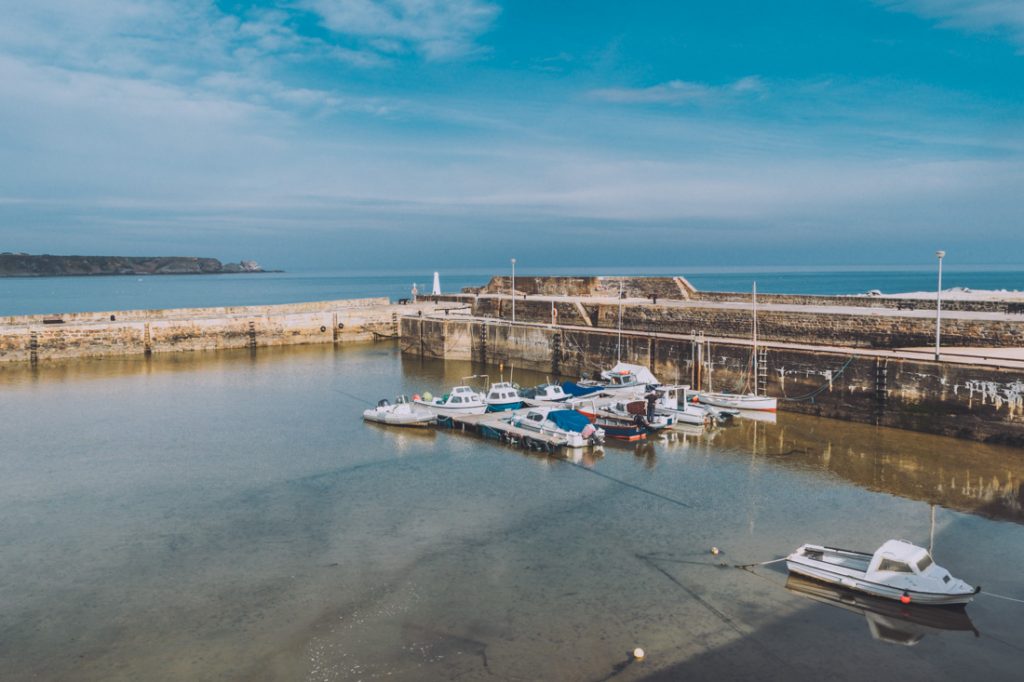
The coastal location is one of Cullen’s best features, so I recommend spending as much time as possible soaking up the seaside surroundings. Seatown is a charming wee settlement, with its colourful fishing cottages and winding streets. Wander along to Cullen Harbour and take photos of Seatown with the viaduct in the background. When the tide is out, the harbour becomes a wee beach, which is perfect for kids to play on. Further round the bay, you’ll find the big, beautiful stretch of sand at Cullen Beach and the ‘Three Kings’ rock stack. You might even spot some of Moray’s much-loved bottlenose dolphins!
2) Discover Findlater Castle
Findlater Castle is a rocky ruin, which sits on a wee peninsula between Cullen and Sandend. The castle – which was first recorded in 1246 – was once home-sweet-home to the Ogilvie family. At the beginning of the 1600s, the family obviously fancied something more modern – and less breezy – so relocated to Cullen House, closer to the village. The castle fell into disrepair, and is now a striking sight to behold. Cullen House on the other hand, has since been converted into luxury homes.
The walk to Findlater Castle from Cullen is simply stunning. The coastal path passes unique rock formations, a pet cemetery, the remnants of a Salmon Bothy, and a cave which Charlie Marioni – a French World War II deserter – occupied for 13 years. The varied terrain requires decent footwear and a good supply of energy. Take care as you descend the ‘Giants Steps’, and look out for the memorial cairn to the local man who built them singlehandedly. I would also strongly advise properly following a map or online instructions. Don’t be ‘chaotic’ like me!

I misinterpreted the directions someone gave me along the way, and took a 30-minute detour up the wrong cliff; this was after a shorter detour up the wrong hill. When I finally got back on the right path and reached the beautiful – and deserted – Sunnyside Beach, I would’ve happily ditched the castle and lay on the sand for the afternoon. I persevered however, and was so glad that I did. I was delighted to discover the epic ruins of Findlater Castle, perched dramatically over the sparkly sea.
I sat atop the ruins, soaking up the scenery, and had almost forgotten about my earlier mishap. THEN, on the walk back I sprained my ankle – on a perfectly flat stretch of grass. I took a leisurely limp back to Cullen. Never a dull moment!

- The walk will take at least 3 hours there and back, depending on your pace – and ability to not get lost!
- Check out the walking route on the Walk Highlands website.
3) Walk over Cullen Viaduct
Cullen has a series of iconic viaducts, which were built by the Great North of Scotland Railway in 1886. The Moray Coast Railway used to serve the towns and villages along the Moray Firth, and provided useful transport links for the farming, fishing and whisky industries. The railway line closed in 1968, and the route is now part of the Moray Coastal Path. The viaducts give a unique backdrop and frame for photos of the village, and offer bonnie views across Cullen Bay. I walked over the viaduct just as the daylight was slipping from the sky, and the lights from within the wee Seatown cottages gave off a warm, welcoming glow through their windows.

4) Get lost in Cullen Antique Centre, Salvage Yard and Book Shop
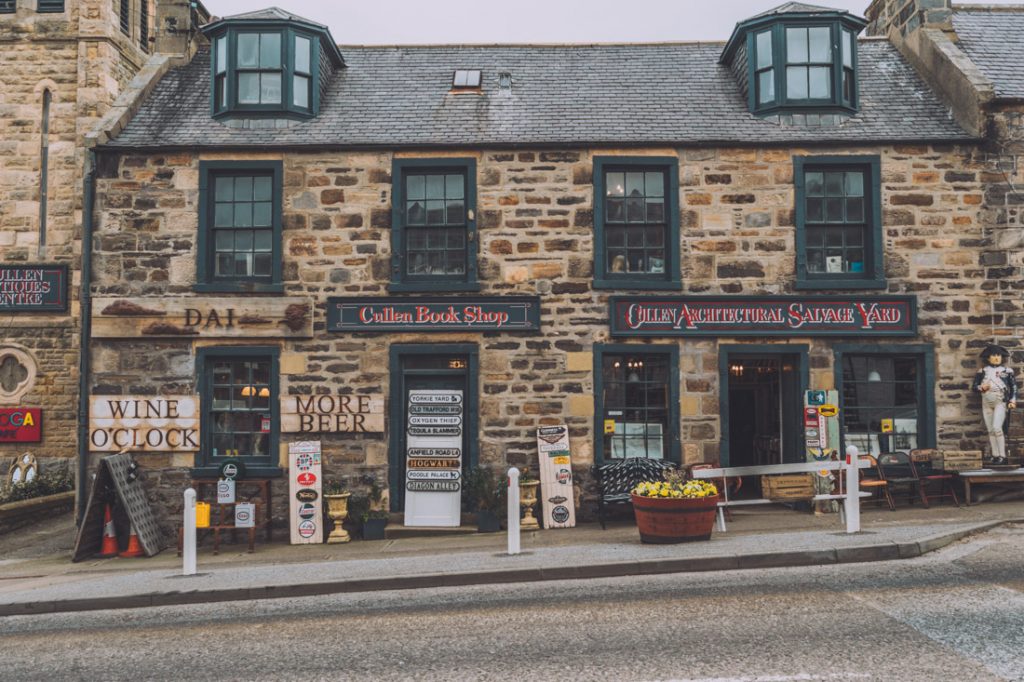
This quirky local business is an absolute gem of a place. I ventured inside when I waited for the bus, and discovered a treasure trove filled with wonder and randomness. There were signed first edition books, old maps and a photo album filled with black and white images belonging to an unknown family from the past. I saw pin ball machines, bespoke signage, a jukebox, and a replica of Tutankhamun’s sarcophagus, amongst many other things.
The space is deceivingly huge, and extends out into a yard with even more buildings. Not to mention the Antique Centre in the church next door! A member of staff told me that the owners frequent auction houses, and that a lot of the antiques are from old castles which are undergoing repairs. I would love to know more about where some of the items have come from, and on my next visit I will set aside a couple of hours to properly browse everything.

Where & What to Eat in Cullen
5) Cullen Ice Cream Shop
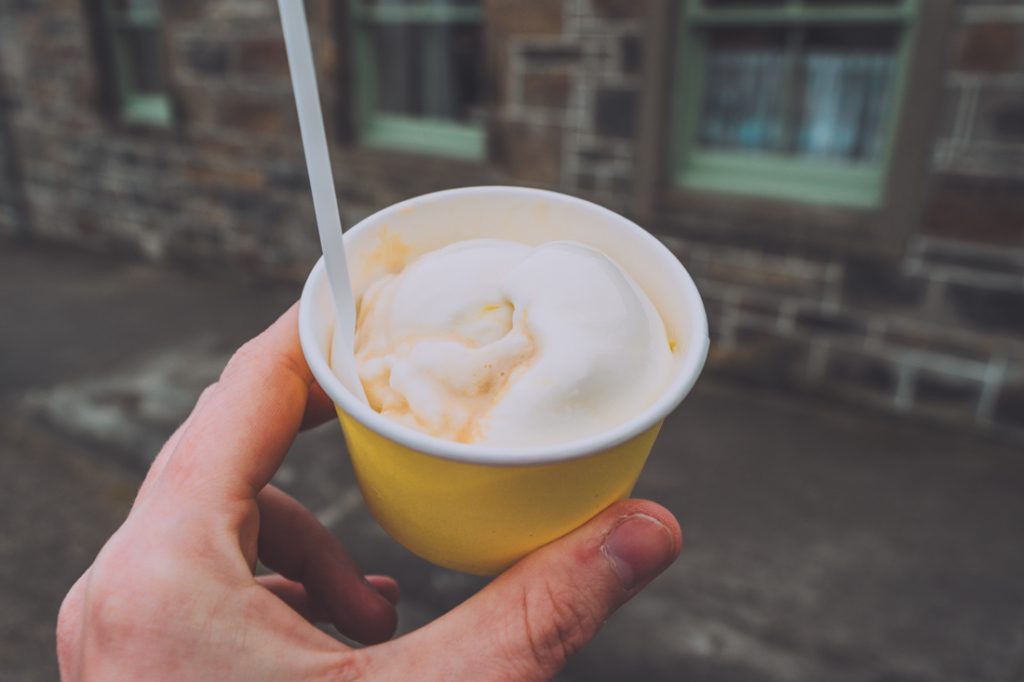
The ice-cream shop is a top priority when you visit the village. If you mention Cullen to someone who has already been, they will inevitably respond with a glowing endorsement for the ice-cream. Cullen and the nearby village of Portsoy are (friendly) ice-cream rivals, and I can honestly say I couldn’t choose a favourite. Portsoy had a bigger and more interesting selection, but Cullen had banoffee flavoured ice-cream – and it was SO good. The homemade ice-cream is an absolute treat for the taste buds, and should be indulged in whatever the weather; I ate mine outside in the rain, just saying.
6) Rockpool Café
Rockpool Café sits on a corner in the quaint Cullen Square. Everything on the menu sounds amazing, with fresh seafood, and quality ingredients – sourced as locally as possible. I knew the café was popular, so I tried to phone and book a table whilst on my walk to Findlater Castle. Aye, that would be the remote coastal walk, with very limited phone reception. Good one Kay. The lovely lady on the phone could barely hear me, and only caught the time I needed the table for. When I came back in the world of mobile reception, I had a voicemail from her saying that she reserved the table for me – despite not even knowing my name. So lovely!
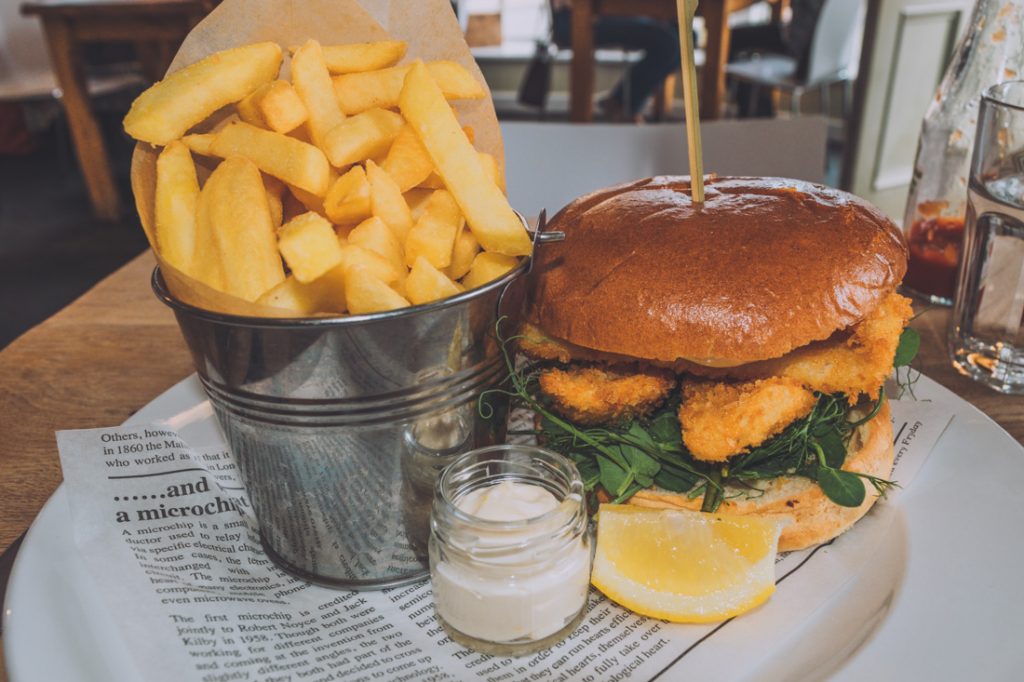
My positive experience continued when I arrived for lunch, and ordered the ‘Sole in a Roll’; battered sole fillets, pickled samphire and lemon mayonnaise. It was delicious, and attracted some envious glances from nearby tables. The cakes also looked amazing, but I didn’t indulge. Next time! Rockpool Café is a must when visiting Cullen.
- Check out the full menu on the Rockpool Cafe website
7) Cullen Skink
Cullen Skink is a creamy fish soup, with smoked haddock, potatoes, onions and milk. A little-known fact about Cullen Skink, is that it was originally made using strips of beefs from the leg of a cow. The recipe changed in the 19th century, when the people could no longer afford this meaty ingredient. Instead of ditching their beloved soup altogether, they replaced the beef with a more plentiful local food source – haddock. Cullen Skink has since risen from humble beginnings, to being served in restaurants around the world. A visit to Cullen would not be complete without trying it.
The Cullen Bay Hotel won the Cullen Skink World Championships in 2016 (aye, there is such a thing), and it came highly recommended, so I obviously had to try it. The soup was very nice, but was distinctly lacking in any smoked haddock; the substance came from lots of wee cubes of tattie. This is perhaps how it is traditionally made, but I will be keen to try Cullen Skink somewhere different on my next visit to compare – most likely at Rockpool Café.
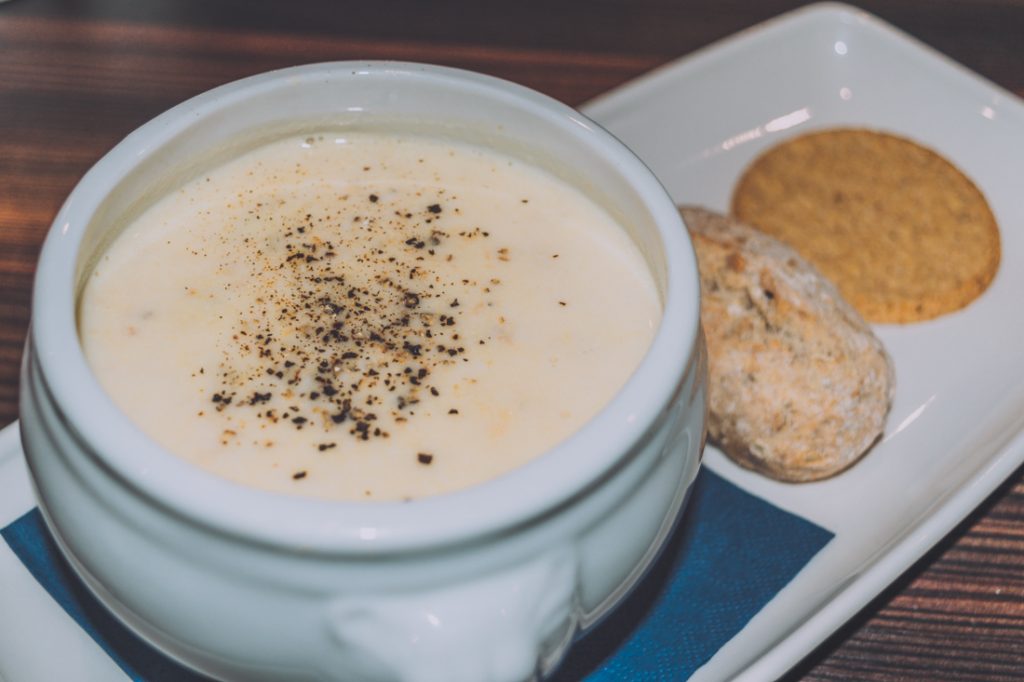
- The rest of the menu at the Cullen Bay Hotel sounds great. Check it out here
Where to stay in Cullen
On Airbnb, you’ll find several of the cute fishing cottages in Seatown. You can check them out here, and if you haven’t used Airbnb before you can sign up with my discount link for £25 off your first booking – I get some travel credit too!
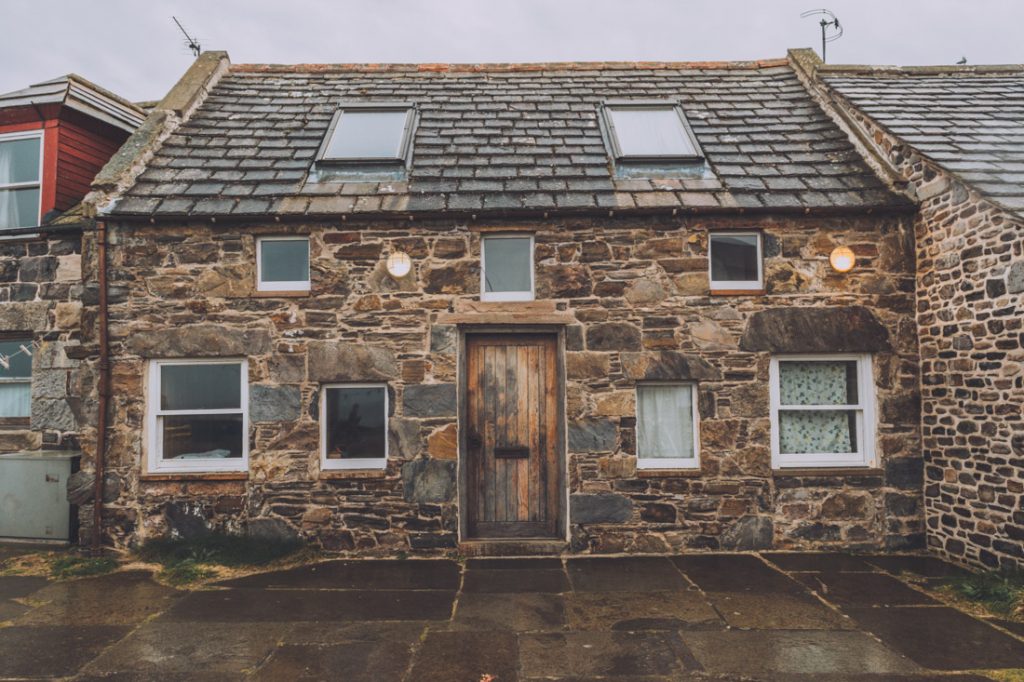
I travelled solo to Cullen, and booked into a double room at Cullen Harbour Hostel, which was located within the old Store House. Staying in this traditional, nautical abode is like going back in time; dim lights, wooden panels and original features. I was perfectly cosy and comfy in my room, and the decent WiFi was an added bonus.
The hostel is actually up for sale at the moment, and what an opportunity this would be for tourism in the area. If anyone would like to donate a substantial amount of money to me, I would happy renovate the place – but keep its original charm – and transform it into a must-visit quirky accommodation in Scotland. Any takers?

How to get to Cullen
You do not need a car to visit Cullen. I repeat, you do not need a car to visit Cullen. This part of the Moray Coast is served by the Stagecoach Service 35 from Aberdeen – on the the new double-decker buses which offer elevated views from the top deck. The journey travels through the Aberdeenshire countryside then along the coast to Elgin. Find out more about the new buses here.
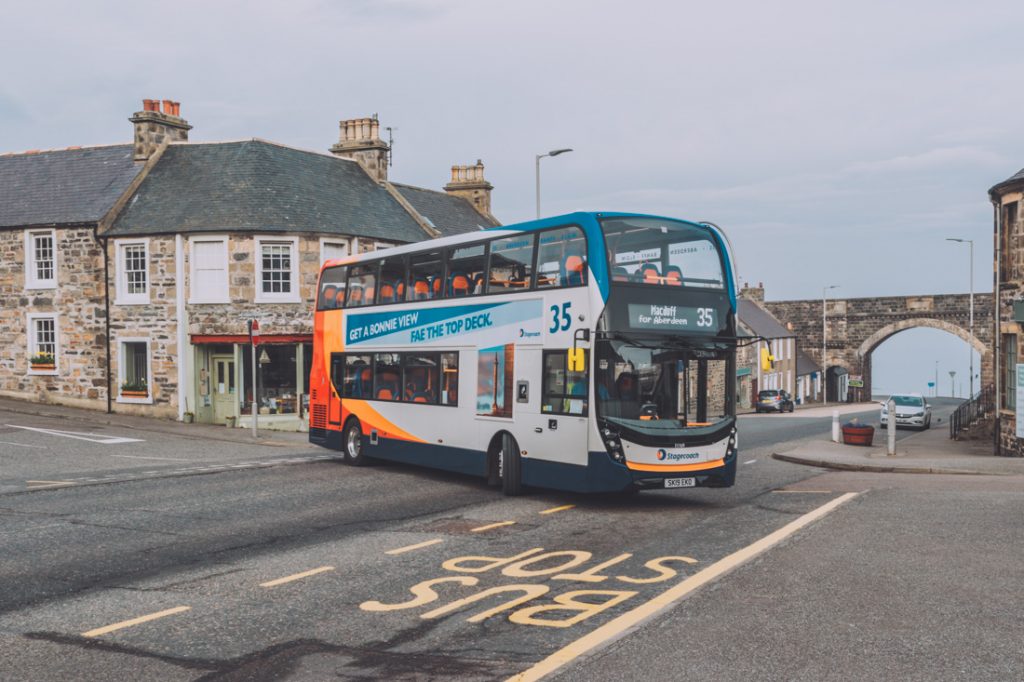
- The journey from Aberdeen to Cullen takes around 2 hours and 40 minutes
- The buses also have free WiFi, USB charging points, and low platform boarding for passengers with mobility issues.
- Visit the other fishing villages along the route and walk some of the Moray Coastal Path.
- Check out the full route & timetable here
Does Cullen sound like your type of place?


Loved reading about the history of Cullen Sking, which I’ve made many times. I’ll be in Scotland in July and wish I could get to Cullen!
Glad you enjoyed it Janet ☺️ I’ve never tried making my own Cullen Skink – I’ll need to give it a go! I hope you get the chance to visit Cullen someday. Thanks, Kay
Great write up for Cullen Kay and I’m glad you mentioned Charlie the Hermits place out at Sunnyside we put up the info board telling his fascinating story thanks for that
Thanks so much Ali – glad I did it justice. I spotted the information board and found his story very interesting. Can’t wait to visit again ☺️
Kay, thus blog was most entertaining. If our itinerary was not already set, I would ask Jackie to check this area out! We love your writing style! Keep up the good work.
Thanks,
Jim
Hello Jim! I’m glad you enjoyed the blog ☺️ It’s such a beautiful part of the country – you’ll just need to come back again to explore! Thanks, Kay
Kay, if you want award winning Cullen Skink in Cullen then try The Royal Oak’s. Absolutely fantastic!
Ooooh, good to know Jackie! I’ll definitely need to try this. Thank you
Next time you are in the area visit Boyndie Visitor Centre near Whitehills a few miles from Banff. Their cullen skink is amazing made with chunks of smoked haddock supplied from the local fish merchants your spoon can almost stand up alone in the soup. The centre is open wed-sun 10-4pm.
Hi Marlyn! Thanks so much for the recommendation – I’ve added this to the list for my next visit. That’s the kind of Cullen Skink I like 🙂